CollectionsFabricsArchiveAboutGlossaryFAQContact

Weaves & constructions

How the yarn is interlaced decides the look, the hand and the strength of the cloth.

Plain weave

Plain weave

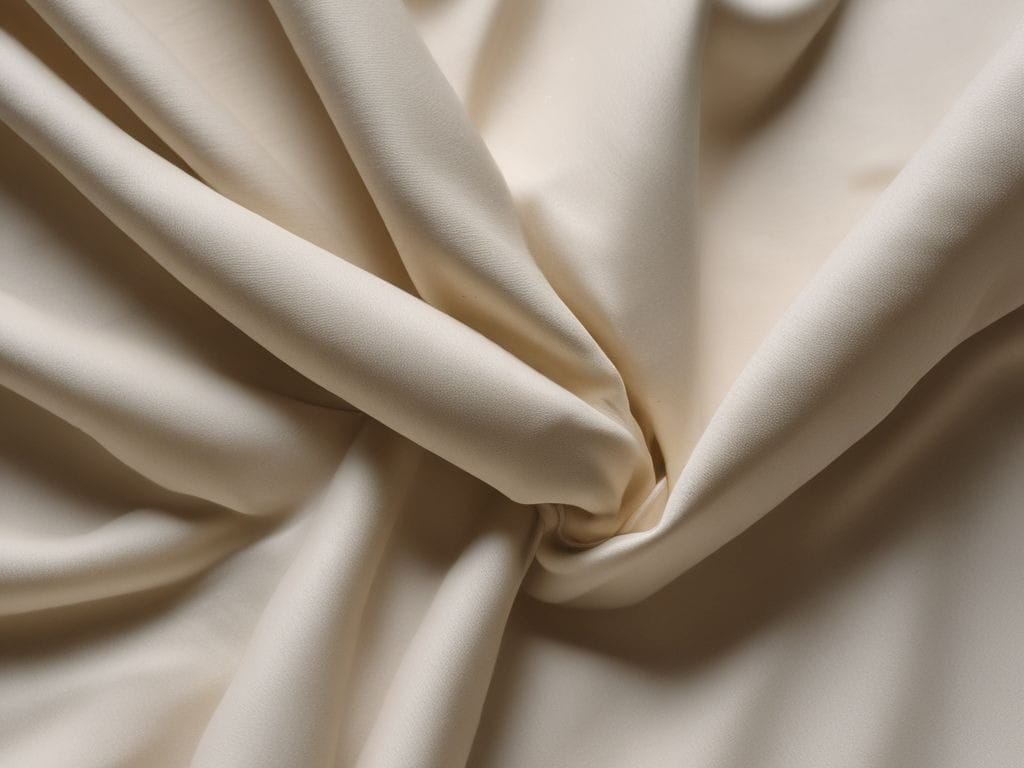
The simplest interlacing: each weft thread passes over one warp thread and under the next, like a basket. Stable, flat and easy to print on, but with no diagonal or surface pattern.

Used forShirting, dress fabrics, sheeting, base cloth for printing and dyeing.

See plain weave fabrics
Twill

Twill

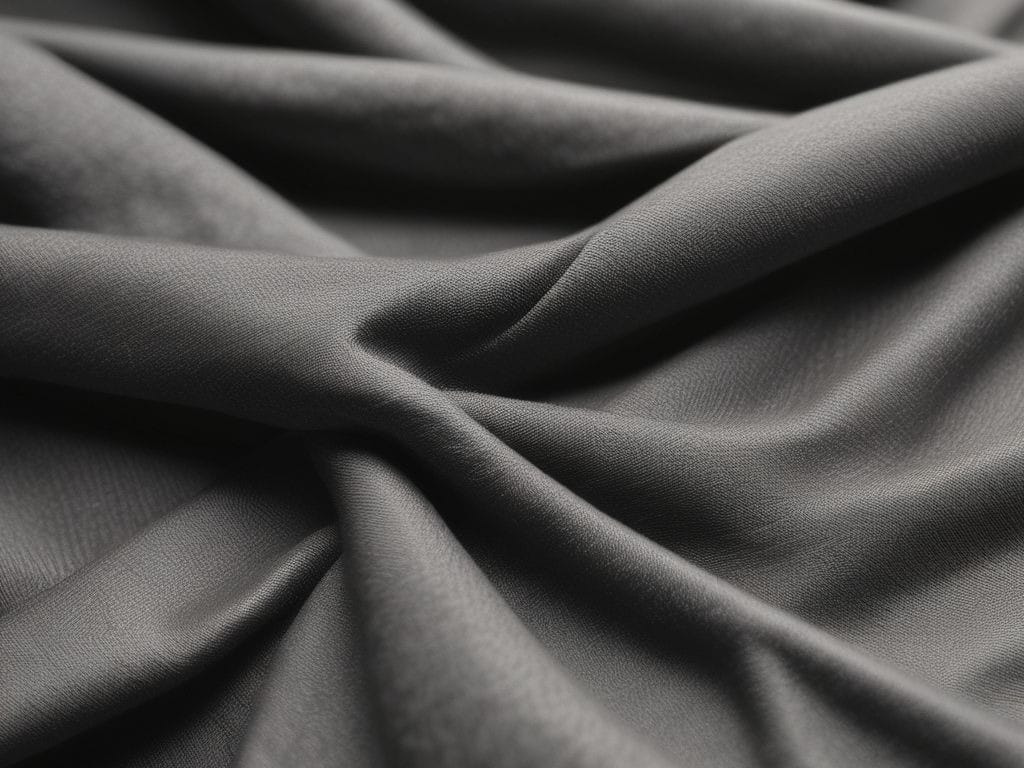
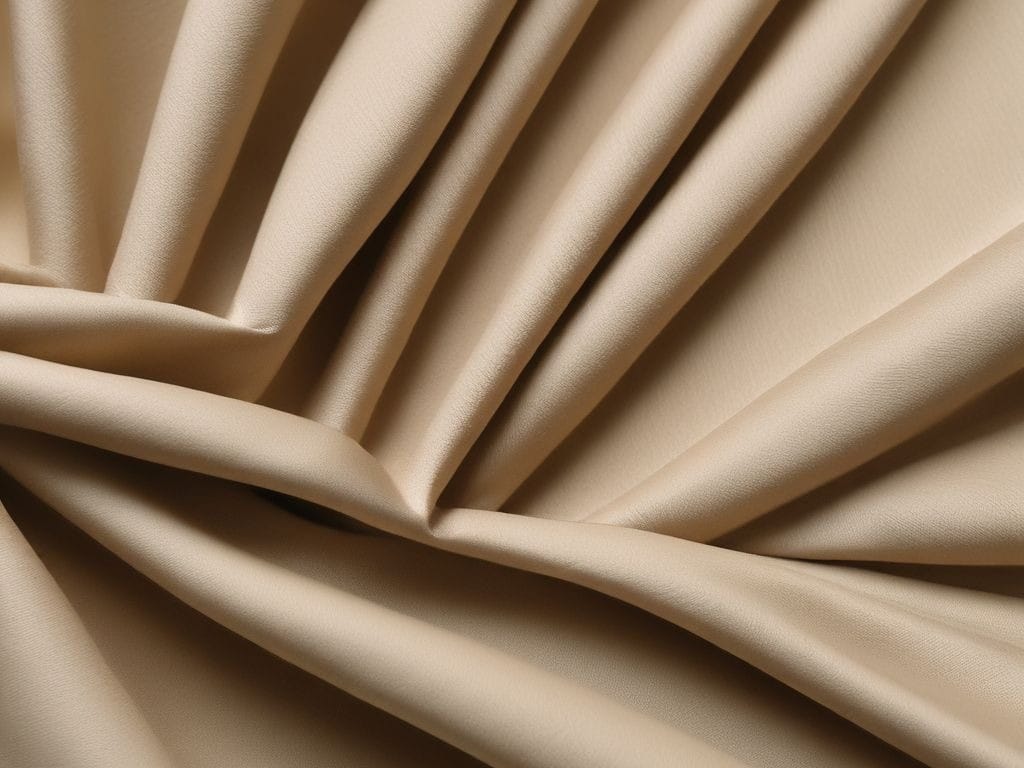
A weave with a clear diagonal line on the face, made by stepping each weft one thread across. Twills are denser and drape better than plain weaves of the same weight, and hide soil well.

Used forTrousers and chinos, jackets, workwear, trench coats; lighter twills for shirts.

See twill fabrics
Drill

Drill

A twill woven from coarser yarn with a steeper, more pronounced diagonal rib. Heavier and more hard-wearing than a standard twill.

Used forUniforms, chef and hospital wear, work trousers, heavy utility garments.

See drill fabrics
Poplin

Poplin

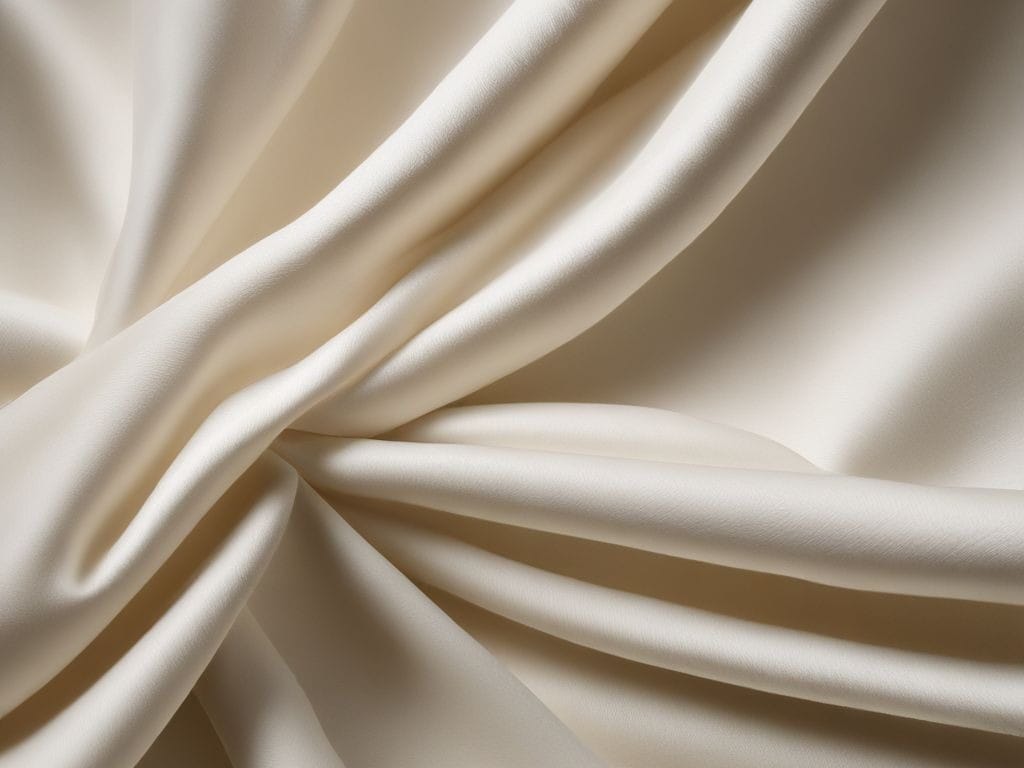
A strong medium-weight plain weave with a fine, closely set warp and a slightly heavier weft, giving a very faint horizontal rib and a smooth, crisp face.

Used forLight poplin for shirts and blouses; medium poplin for trousers and uniform programmes.

See poplin fabrics
Cambric

Cambric

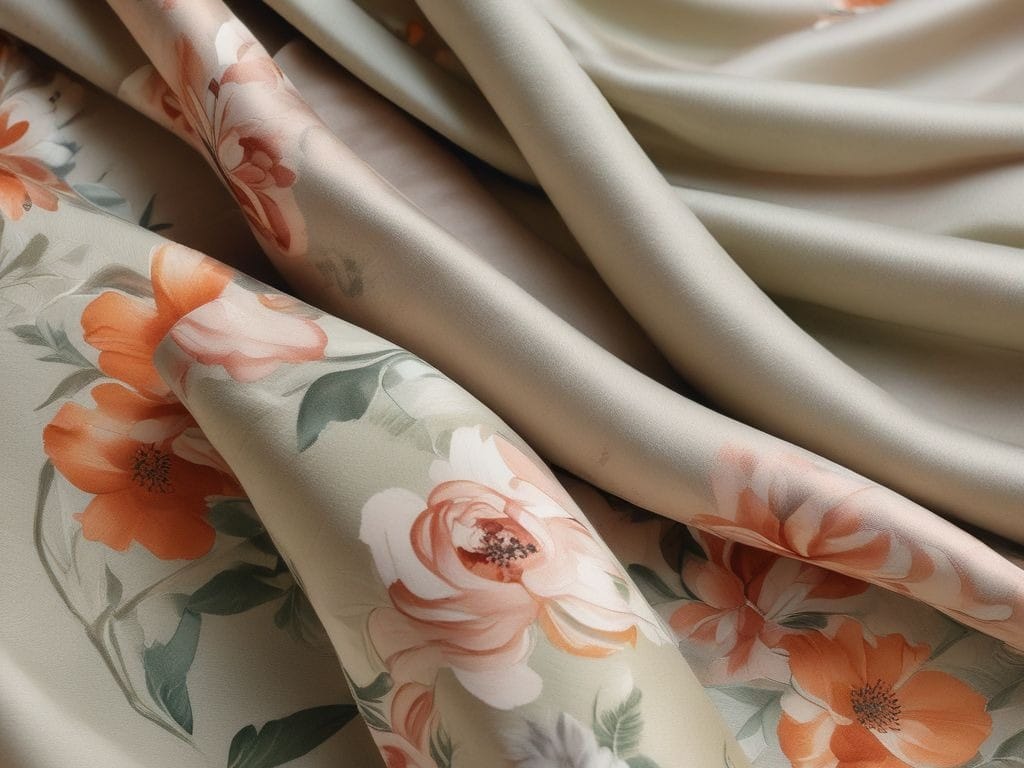
A lightweight, closely woven plain-weave cotton (or linen), a little heavier than muslin, calendered so one side carries a slight sheen.

Used forSummer dresses, blouses, children’s wear, linings and handkerchiefs; a favourite base for prints.

See cambric fabrics
Chambray

Chambray

A plain weave woven with a coloured warp and a white weft, which gives a soft, frosted, denim-like look at shirting weight. Usually blue and white; also woven in checks and stripes.

Used forShirts, dresses, children’s clothing, lightweight summer garments.

See chambray fabrics
Satin / sateen

Satin / sateen

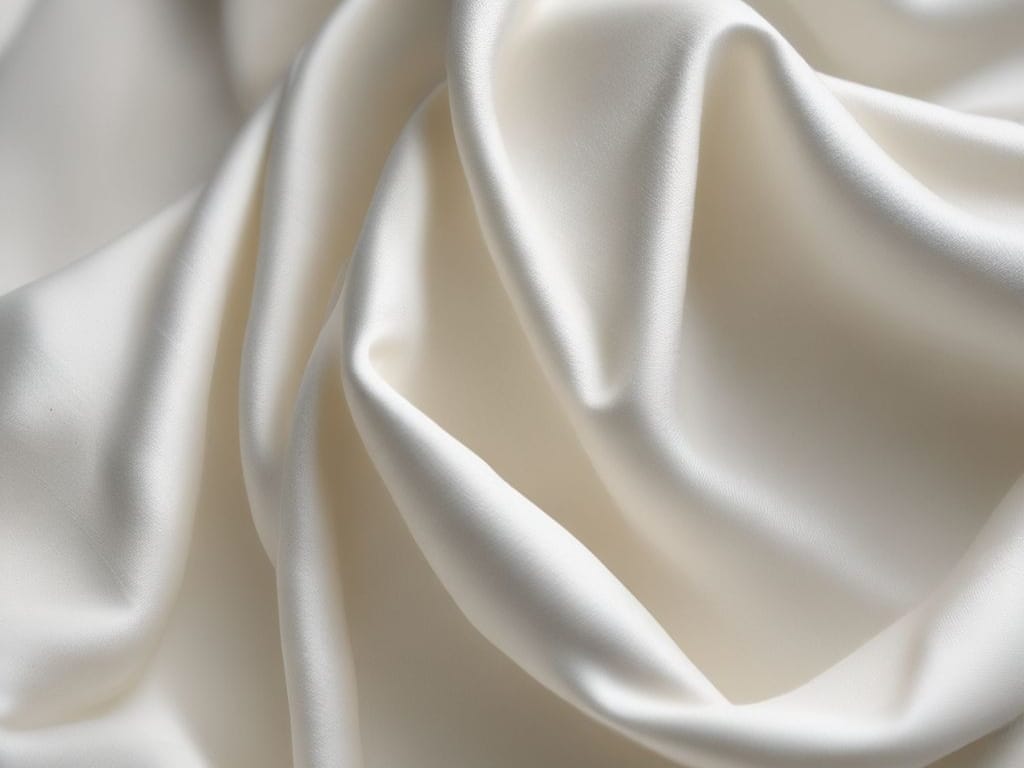
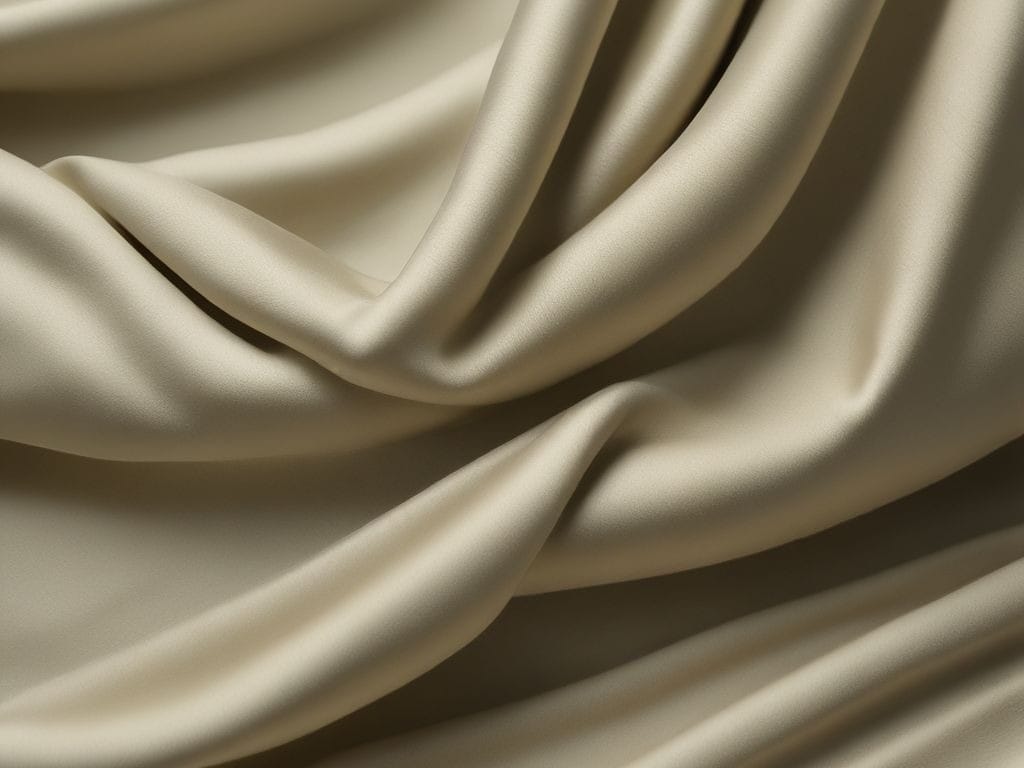
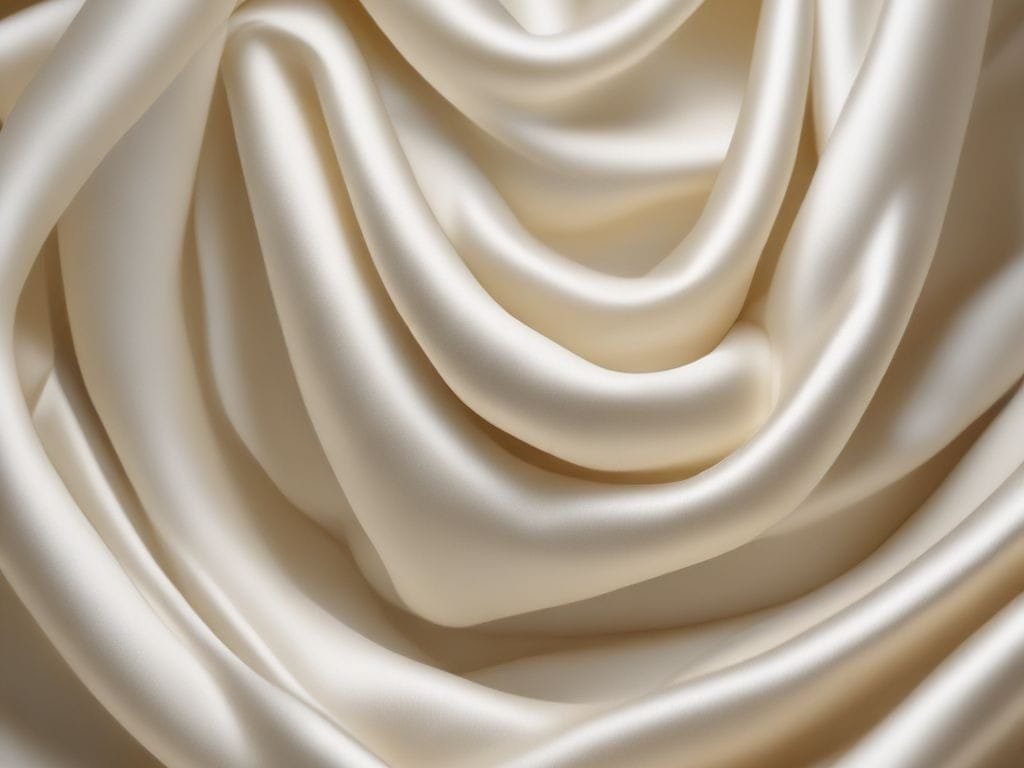
A weave that floats the weft over several warp threads so the face shows mostly one set of yarns. On cotton this gives a smooth, softly lustrous surface with a dense but pliable hand. Finer yarns and higher thread counts than a poplin.

Used forDresses, tops, structured trousers, occasion wear; stretch sateen for fitted bottoms.

See satin / sateen fabrics
Dobby

Dobby

A weave with small repeating geometric patterns raised into the cloth by the loom itself, rather than printed on. Reads as a solid from a distance and shows its texture up close.

Used forShirting with a quiet texture, cushion cloth, table linen, light furnishing.

See dobby fabrics
Jacquard

Jacquard

A larger and more elaborate woven pattern than a dobby — diamonds, florals, damask — produced on a loom that controls each warp thread individually.

Used forUpholstery, drapery, decorative cushion and table cloth, occasion wear.

See jacquard fabrics
Corduroy

Corduroy

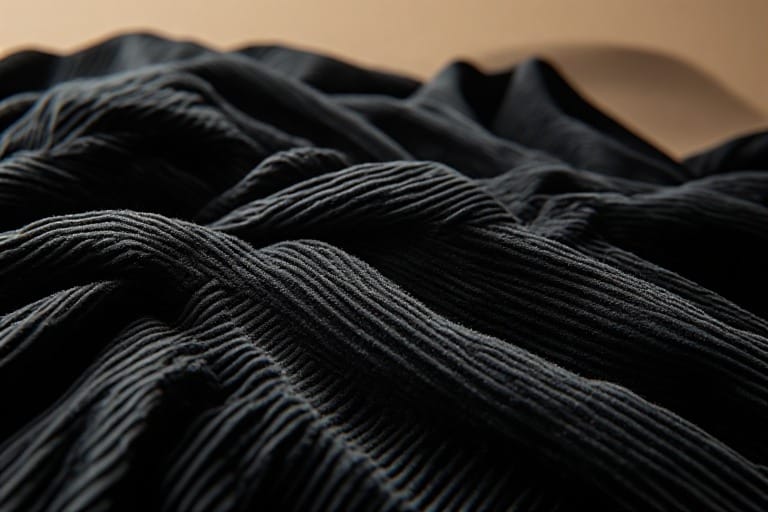
A cut-pile cloth with raised ridges ("wales") running down the fabric parallel to the selvedge. The wale count is the number of ridges per inch — the lower the number, the wider the wale. An 8-wale is bold; a 21-wale is fine "pincord".

Used forWinter trousers, jackets, skirts, children’s wear; wide-wale for upholstery.

See corduroy fabrics
Denim

Denim

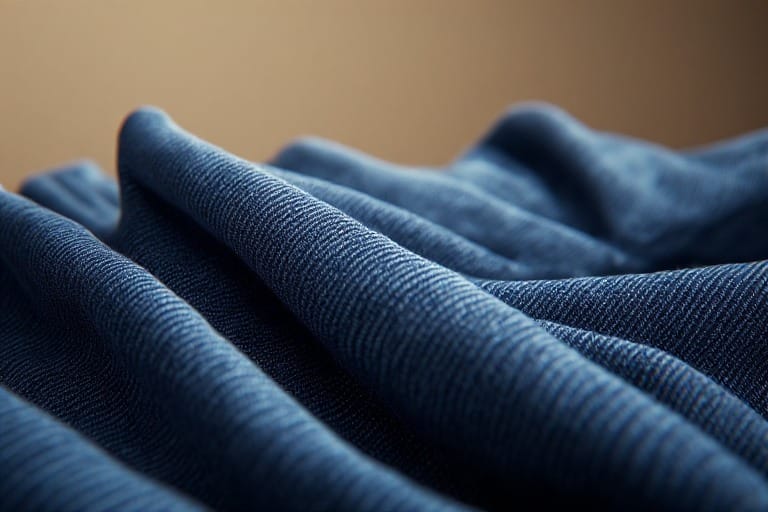
A rugged cotton twill traditionally woven with an indigo-dyed warp and an undyed weft, which is why the face is blue and the back is white. Weight is quoted in ounces per square yard; 11–14 oz is jeans weight.

Used forJeans, jackets, skirts, workwear; lighter weights for shirts.

See denim fabrics
Canvas

Canvas

A plain weave of substantial weight, woven from heavy yarn. Stiff off the roll, it softens with use and takes a hard-wearing pigment dye.

Used forBags, aprons, workwear, shoes, upholstery, awnings.

See canvas fabrics
Duck

Duck

A stronger, tighter type of canvas — still plain weave, but with a higher thread count and often two warp yarns woven together for extra strength.

Used forDeck shoes and footwear, tool bags, heavy workwear, tarpaulin and cover cloth.

See duck fabrics
Velvet

Velvet

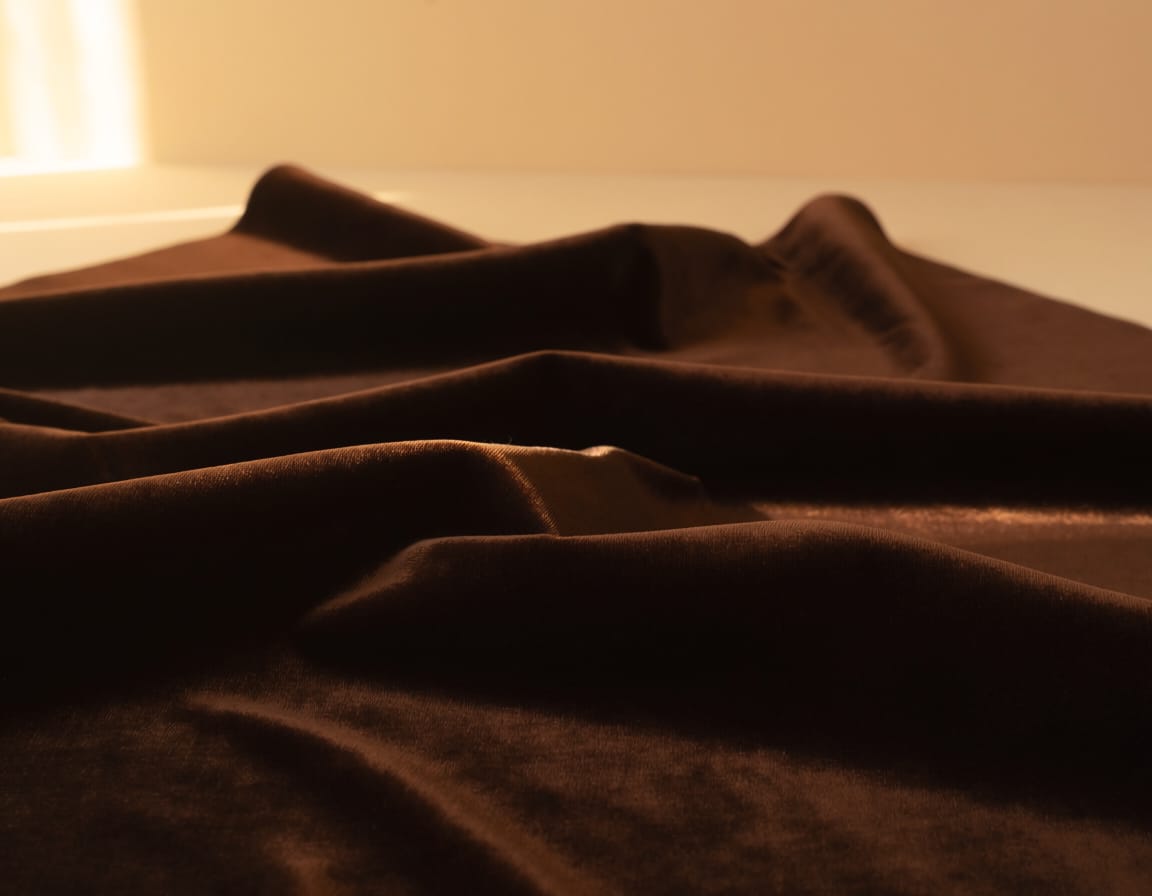
A luxurious pile fabric: short, dense tufts standing up from the base cloth give it depth of colour and a soft, directional touch. Ranges from stiff and dense to fine and fluid depending on weight and fibre.

Used forUpholstery, curtains, evening wear, jackets, accessories.

See velvet fabrics
Rip-stop

Rip-stop

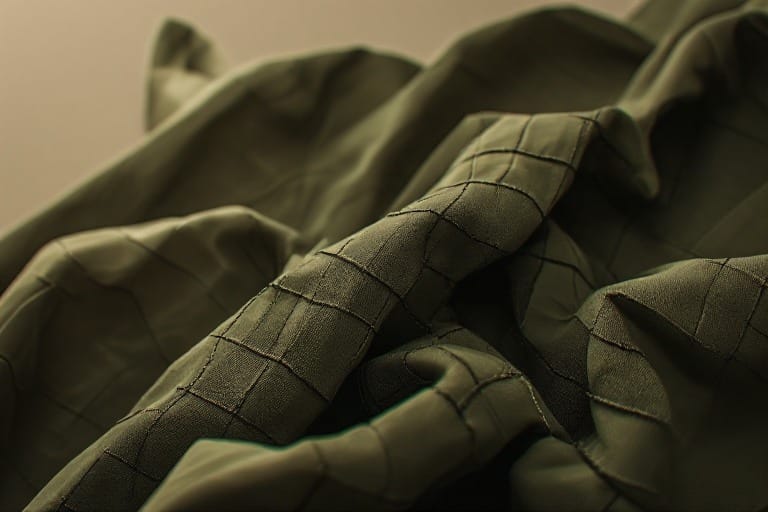
A weave with thicker reinforcement threads interwoven at regular intervals in a crosshatch grid. A snag or small tear stops at the next grid line instead of running.

Used forOuterwear, technical and military-style garments, bags, outdoor covers.

See rip-stop fabrics
Slub

Slub

Cloth woven from yarn that is deliberately uneven — thick and thin along its length — so the surface has an irregular, hand-loomed character.

Used forCasual shirts, dresses, cushion covers, table linen and natural-look furnishing.

Fibres & yarns

What the yarn is made of — natural, regenerated or synthetic — sets comfort, drape and care.

Cotton

Cotton

The natural staple fibre behind most of the range. Breathes, absorbs moisture, takes dye evenly and washes hard. Quality depends on staple length and yarn count: finer counts make smoother, lighter cloth.

Used forEverything from shirting and denim to canvas, sheeting and upholstery.

See cotton fabrics
Linen, lightweight

Linen, lightweight

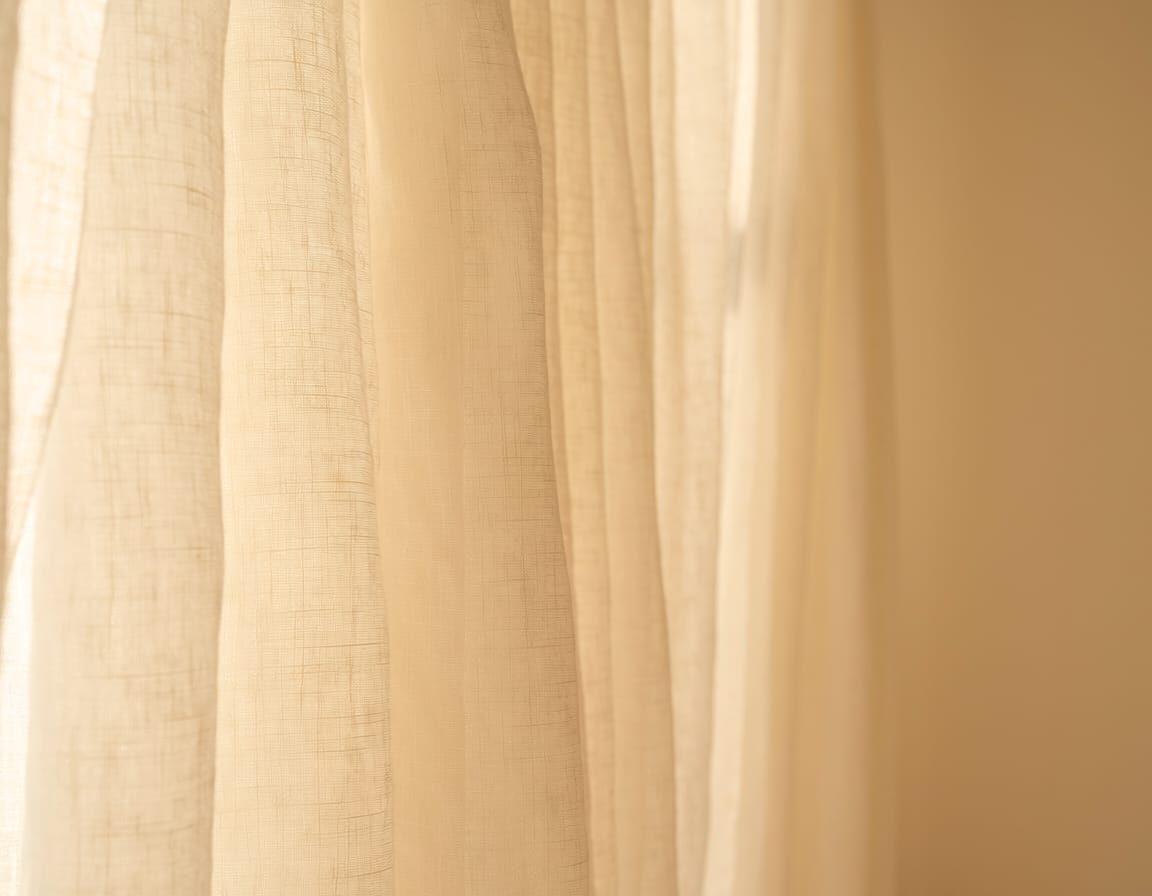
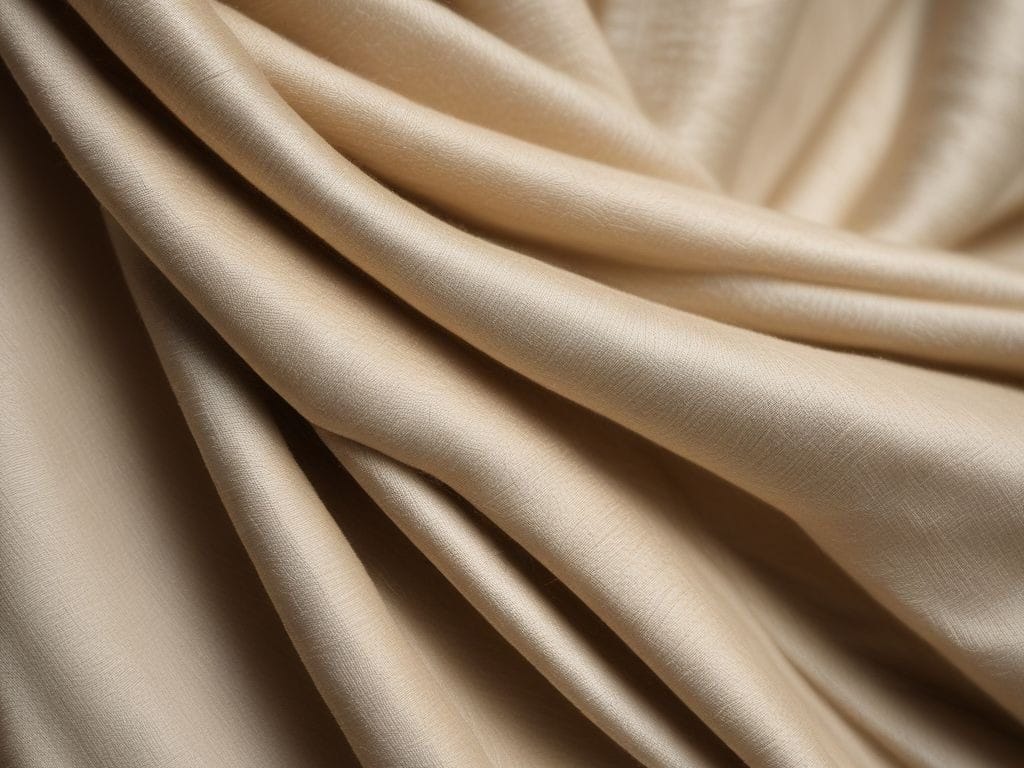
A fine plain weave of flax yarn. Linen yarn is firmer and stronger than cotton of the same weight, so it can be woven more openly for comfort in heat without losing stability. It creases — and improves with age and washing.

Used forTropical shirts, tops, dresses, sheer curtains.

See linen, lightweight fabrics
Linen, heavyweight

Linen, heavyweight

A plain open weave of coarser flax yarn with a pronounced, textured surface and a dry hand.

Used forJackets and trousers, upholstery, drapery, wallcloth, table linen.

See linen, heavyweight fabrics
Viscose / rayon

Viscose / rayon

A regenerated cellulose fibre made from wood pulp — the same family under two names. Soft, cool, with a fluid drape and deep, saturated colour; less strong when wet, so handle with care in the wash.

Used forDresses, blouses, flowing summer garments, linings, print bases.

See viscose / rayon fabrics
Tencel (lyocell)

Tencel (lyocell)

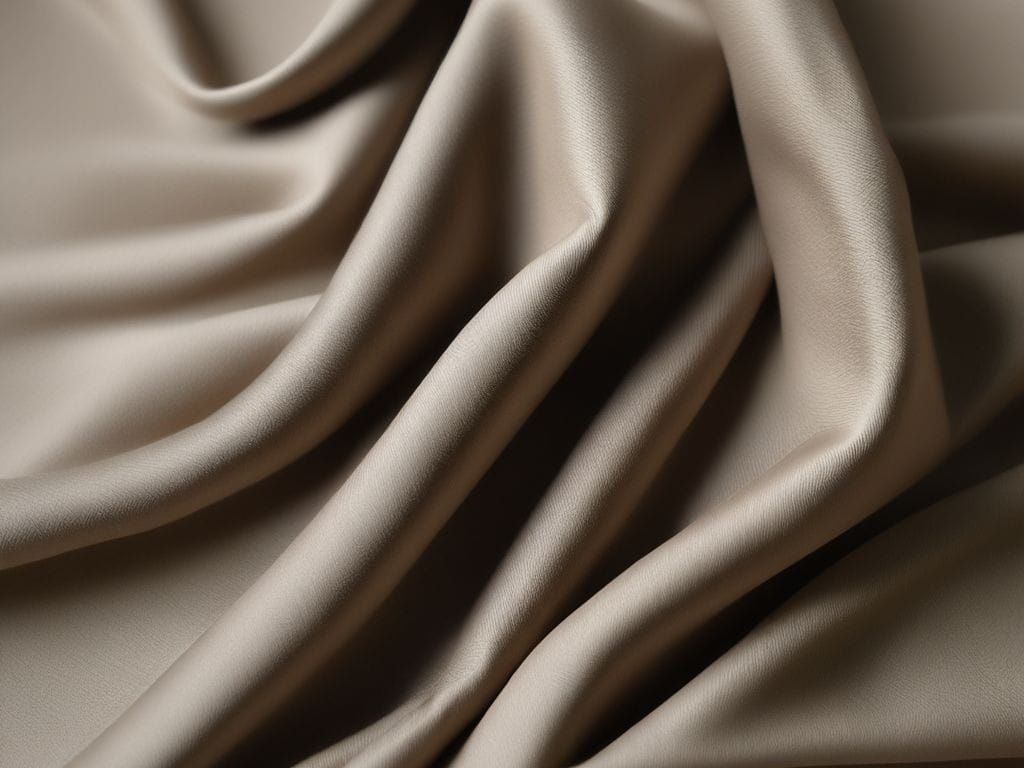
A cellulose fibre from wood pulp processed in a closed loop, producing a silk-like cloth that is very soft with excellent drape. Usually medium weight, easy to dye and care for.

Used forDresses, shirts, bedding, blends with cotton and linen.

See tencel fabrics
Spandex / elastane

Spandex / elastane

An elastic synthetic fibre that stretches up to five times its length and recovers. Blended at 2–5% into cotton or poly-cotton it gives the cloth stretch and shape retention without changing its look.

Used forStretch trousers and denim, fitted shirts, activewear, stretch sateen.

See spandex / elastane fabrics
Lycra

Lycra

The trademark name for DuPont’s brand of spandex. On a spec sheet "Lycra" and "spandex" or "elastane" mean the same stretch fibre.

Used forSee Spandex — any stretch blend.

See lycra fabrics
PC (poly-cotton)

PC (poly-cotton)

A blend of polyester and cotton, commonly 65/35. Polyester adds strength, crease recovery and colour-fastness; cotton keeps it breathable and comfortable.

Used forUniforms, shirting and workwear programmes needing shade consistency across repeat orders.

See pc fabrics

Terms on the spec sheet

The words and numbers you will see on every TDM article, explained.

Greige (grey)

Greige (grey)

Cloth straight off the loom: unbleached, undyed, unfinished. Sold to processors and converters who run their own bleach, dye and finish routes. Width is quoted before shrinkage.

Used forAnyone with their own dye house or printer; also used as-is for natural-look garments.

See greige fabrics
RFD (ready for dyeing)

RFD (ready for dyeing)

Scoured and bleached cloth with no optical brighteners, prepared so your shade lands true. The step between greige and finished.

Used forBuyers dyeing a bespoke shade — uniform programmes, brand colours.

See rfd fabrics
Yarn-dyed

Yarn-dyed

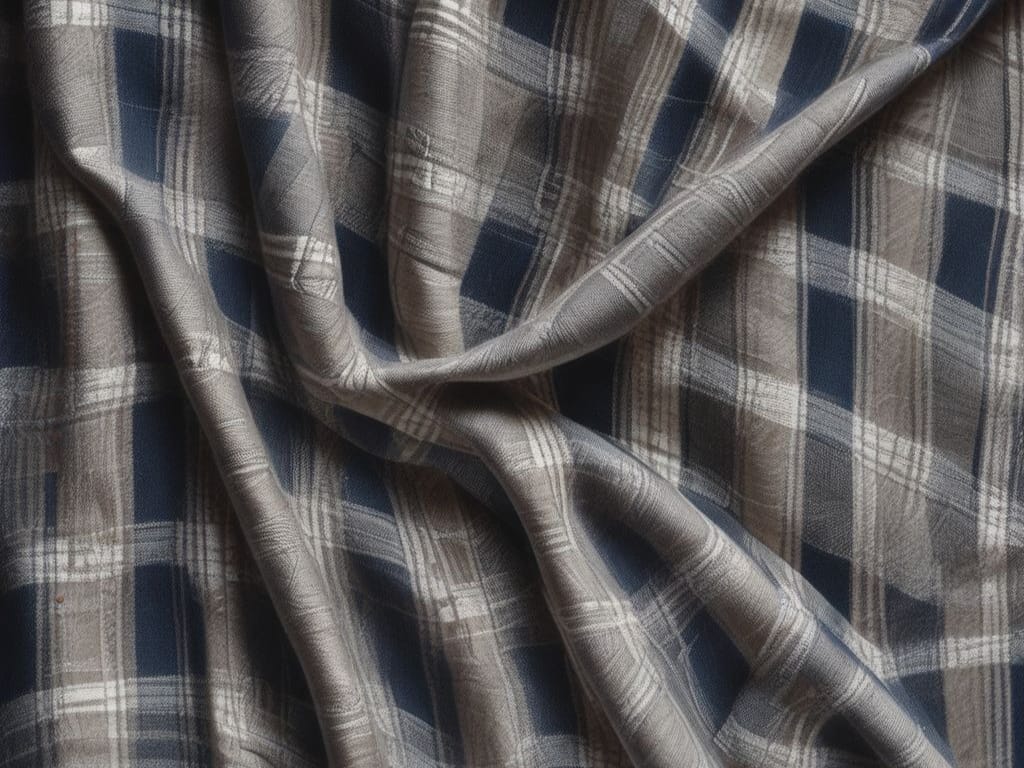
Fabric woven from yarn that was dyed before weaving, so checks, stripes and chambray effects are built into the cloth rather than printed on. Colour goes right through and does not wear off.

Used forChecked and striped shirting, chambray, herringbone, ticking.

See yarn-dyed fabrics
GSM

GSM

Grams per square metre, the standard measure of cloth weight. Under 150 is light, 150–250 medium, above 250 heavy. Denim is quoted in ounces per square yard instead (1 oz/yd² ≈ 34 GSM).

Used forChoosing the right weight for the garment or furnishing — see any product page for a guide.

Construction

Construction

Threads per inch, written warp × weft, e.g. 108 × 56. The first number is the warp (lengthwise) density, the second the weft. Higher numbers mean a denser, smoother, more stable cloth.

Used forComparing two fabrics of the same weave and weight; specifying a quality for a mill to reproduce.

Mercerised

Mercerised

Cotton treated under tension with caustic soda so the fibre swells and rounds. The cloth takes deeper, brighter dye, gains a slight lustre and becomes stronger.

Used forDrills, poplins and sateens that need rich colour and a clean face.

Still not sure which cloth you need?

Tell us the garment or the room and we will suggest a quality — and send free samples so you can feel the difference.

Ask a question